
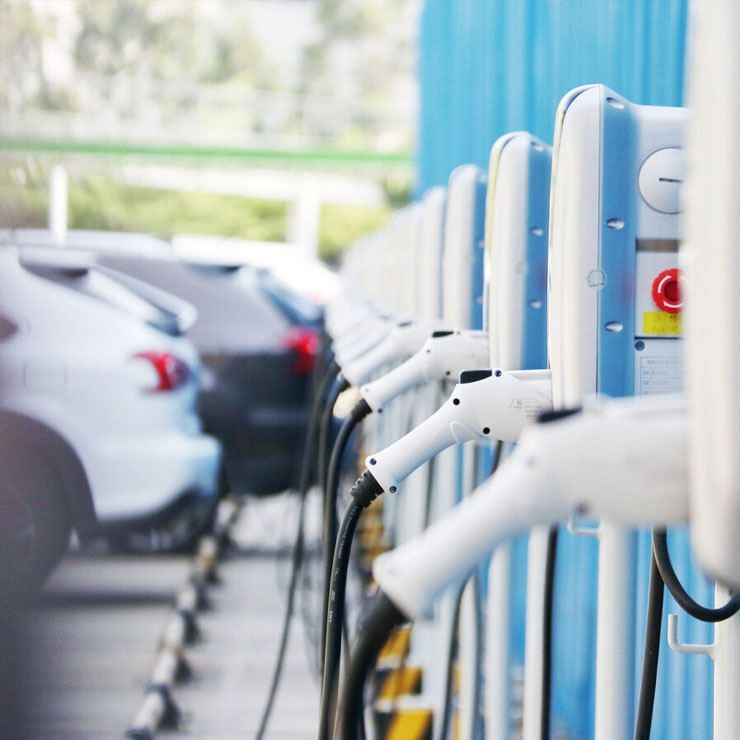
Core pain points of Spanish charging stations
Ambitious Policy: A presidential decree in 2026 mandates that the number of charging stations increase from 1,400 to 4,000 (nearly a threefold increase), accompanied by subsidies for electricity distribution fees, preferential loans, and land concessions; simultaneously, import duties on charging piles will be waived from 2026 to 2028. This is the most aggressive support policy in Central Asia.
Core pain points
Policy implementation is chaotic, and compliance risks are high: operators are frequently subjected to surprise power outages and forced demolitions under the pretext of “illegal land use”; land approval is opaque, and the “user-based” parking lot model is deemed illegal; industry standards are lacking, and the government adopts a “build first, manage later” approach—in a March 2026 inspection in Tashkent, 101 out of more than 1,300 fast charging stations were shut down, and 62 lacked contracts.
Insufficient grid capacity and unbalanced coverage: unauthorized connection of fast charging stations easily leads to voltage instability; the charging network is highly concentrated in large cities such as Tashkent, with severe shortages in rural areas and intercity roads; the actual number of charging stations falls far short of demand (approximately 28,000 electric vehicles were imported in the first half of 2025); residents rely heavily on unsafe “flying wires” for charging.
Operational profitability is difficult, and the model is fragile: operators rely on homeowners to pay electricity bills, and disputes result in power outages; high investment coupled with policy uncertainty makes returns uncertain; the proposed peak-valley electricity pricing will further compress profit margins.
Incompatible technical standards: Interoperability of equipment faces challenges.
In summary, the fundamental contradiction lies in the intense clash between rapid market growth and the incompleteness of policies, regulations, and the power grid. While the opportunities are significant, legal and policy risks must be considered as a primary factor before entering the market.
Solution
1. Path Selection: Three Options
* International Trade (Low Risk): Sell to local project owners through trade shows and B2B platforms for quick market testing.
* Joint Ventures (Medium Risk): Establish a joint venture with local partners who have resources for rapid implementation and to mitigate policy risks.
* Direct Investment (High Investment): Build or operate a factory independently; suitable for large enterprises with long-term commitment.
2. Compliance Red Lines
* Obtain Technical Specifications: Apply to the local power grid company to clarify the permitted power capacity and avoid being shut down for unauthorized connections.
* Ensure Legal Land Use: Lease land through the government’s electronic auction system for up to 10 years to avoid demolition by the land registry for “illegal land use.”
* Closely Monitor Policies: Pay attention to new regulations from the Ministry of Energy regarding “peak-valley electricity pricing” and “non-cash payments.”
3. Products and Localization
* Grid Adaptation: Provide integrated “photovoltaic-storage-charging” solutions or prefabricated substations to alleviate local grid capacity shortages.
* Consider Local Assembly: Respond to the government’s demand for localized production and consider cooperation with the Uzeltekhsanoat Association. Establish after-sales capabilities: Provide local installation and maintenance services to build a reputation.
Summary: Find suitable local partners, handle compliance procedures, and provide grid-friendly “equipment + service” package solutions.
This is a useful post for finding broken links within the website, what about links pointing outwards that are broken? I can use a free web service but wondered if this was possible.
Great tool! I am using a redirect plugin to send all my 404’s to my home page but I think it’s slacking sometimes.